Nasal Cannula O2 Rate / The Utility Of High Flow Nasal Oxygen For Severe Covid 19 Pneumonia In A Resource Constrained Setting A Multi Centre Prospective Observational Study Eclinicalmedicine : There are also infant or neonatal nasal cannulas which carry less than one liter per minute.
Nasal Cannula O2 Rate / The Utility Of High Flow Nasal Oxygen For Severe Covid 19 Pneumonia In A Resource Constrained Setting A Multi Centre Prospective Observational Study Eclinicalmedicine : There are also infant or neonatal nasal cannulas which carry less than one liter per minute.. That is, do not give oxygen if the spo2 is ≥ 92%. The role for high flow nasal cannula as a respiratory support strategy in adults: This oxygen delivery devices and flow rates chart shows the o 2 % delivered measured for each tool. The below nasal cannula oxygen percentage chart shows the percentage of oxygen delivered against the flow rate. But patients with respiratory distress can have much higher peak inspiratory flow rates.
But patients with respiratory distress can have much higher peak inspiratory flow rates. 6 during nhf therapy at a flow rate sufficient to satisfy the patients inspiratory flow demand, the concentration of oxygen delivered will accurately reflect f i o 2 since there will be little to no entrainment of room air diluting the delivered gas. The role for high flow nasal cannula as a respiratory support strategy in adults: Here are a few details about the participants: Fio2 measured = (o2 flow (ml/min) x 0.79) + (0.21 x v
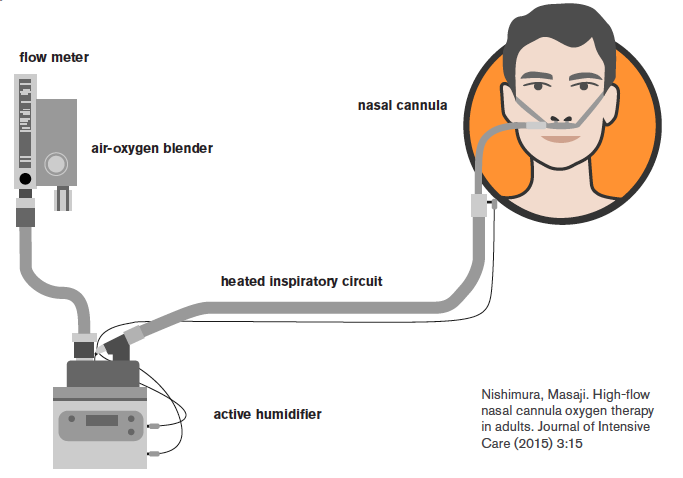
Flow rates of up to 6 litres can be given but this will often cause nasal dryness and.
Flow rates of up to 60 litres of air/oxygen per minute can be delivered through wider bore humidified nasal cannula. • fraction of inspired oxygen (fio2) of 21% to 98% • relative humidity of 95% to 100% • a flow rate of 15 to 60 l/minute. Fio2 measured = (o2 flow (ml/min) x 0.79) + (0.21 x v Oxygen treatment is usually not necessary unless the spo2 is less than 92%. Let's take a moment to remember the traditional nasal cannula. Rates above 5 l/min can result in discomfort to the patient. Salters demand cannulas are specifically designed for dual port oxygen conservation celivery systems in a full range of sizes and flow rates up to 6 lpm help conserve o2 while giving patients the salt. Oxygen is heated and humidified for patient comfort. Let's start by defining the flow in the different oxygen devices. There are also infant or neonatal nasal cannulas which carry less than one liter per minute. Cannulae with smaller prongs intended for infant or neonatal use can carry less than one litre per minute. Browse our huge selection of discount oxygen nasal cannula products. But patients with respiratory distress can have much higher peak inspiratory flow rates.
(these also have smaller prongs.) the oxygen percentage provided to the patient ranges roughly from 24 to 35 percent, or the cannula may merely supply humidified air. Reflective style connector with hygroscopic filter inside helps minimize moisture. Nasal cannulas molded for the smallest neonatal sizes to adults. • fraction of inspired oxygen (fio2) of 21% to 98% • relative humidity of 95% to 100% • a flow rate of 15 to 60 l/minute. For those who may need higher flows of oxygen, nasal cannula can also be high flow and carry up to 60 liters of oxygen per minute.

There are also infant or neonatal nasal cannulas which carry less than one liter per minute.
(these also have smaller prongs.) the oxygen percentage provided to the patient ranges roughly from 24 to 35 percent, or the cannula may merely supply humidified air. Flow rates of up to 6 litres can be given but this will often cause nasal dryness and. Browse our huge selection of discount oxygen nasal cannula products. The ventflo etco 2 cannula delivers oxygen while capturing an end tidal gas sample, even with simultaneous insufflation of oxygen. Flow rates for delivery of oxygen using typical nasal cannula are limited because medical oxygen is anhydrous , and when delivered from a pressurized source the. When connected to wall oxygen, this cannula can deliver oxygen at flow rates from 1 to 6 l / min for extended periods of time. Here are a few details about the participants: There are also infant or neonatal nasal cannulas which carry less than one liter per minute. Rates above 5 l/min can result in discomfort to the patient. Cannulae with smaller prongs intended for infant or neonatal use can carry less than one litre per minute. This oxygen delivery devices and flow rates chart shows the o 2 % delivered measured for each tool. Salters demand cannulas are specifically designed for dual port oxygen conservation celivery systems in a full range of sizes and flow rates up to 6 lpm help conserve o2 while giving patients the salt. That is, do not give oxygen if the spo2 is ≥ 92%.
6 during nhf therapy at a flow rate sufficient to satisfy the patients inspiratory flow demand, the concentration of oxygen delivered will accurately reflect f i o 2 since there will be little to no entrainment of room air diluting the delivered gas. There are also infant or neonatal nasal cannulas which carry less than one liter per minute. When connected to wall oxygen, this cannula can deliver oxygen at flow rates from 1 to 6 l / min for extended periods of time. However, during increase effort or acute distress if a patient's spontaneous inspiratory flow rate is 45 liters per minute or greater, then nhf therapy must deliver gas flow to the patient that meets or exceeds this flow. • the device can deliver:
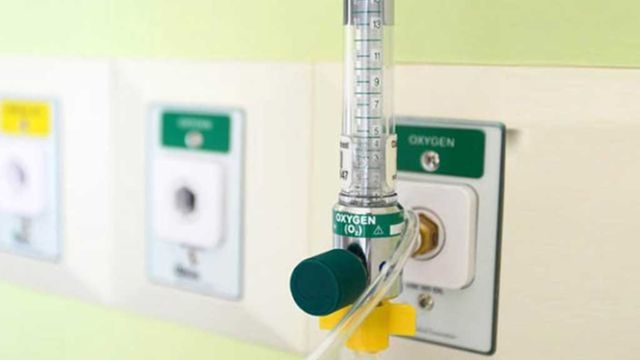
Rates above 5 l/min can result in discomfort to the patient.
That is, do not give oxygen if the spo2 is ≥ 92%. However, during increase effort or acute distress if a patient's spontaneous inspiratory flow rate is 45 liters per minute or greater, then nhf therapy must deliver gas flow to the patient that meets or exceeds this flow. The role for high flow nasal cannula as a respiratory support strategy in adults: But patients with respiratory distress can have much higher peak inspiratory flow rates. Oxygen flow rate and fio2 table Here are a few details about the participants: • the device can deliver: (these also have smaller prongs.) the oxygen percentage provided to the patient ranges roughly from 24 to 35 percent, or the cannula may merely supply humidified air. 6 during nhf therapy at a flow rate sufficient to satisfy the patients inspiratory flow demand, the concentration of oxygen delivered will accurately reflect f i o 2 since there will be little to no entrainment of room air diluting the delivered gas. Nasal cannula, we assume that the fraction of oxygen that is inspired (above the normal atmospheric level or 20%) increases by 4% for every additional liter of oxygen flow administered. Cannulae with smaller prongs intended for infant or neonatal use can carry less than one litre per minute. There are also infant or neonatal nasal cannulas which carry less than one liter per minute. Higher flow rates are not well tolerated due to nasal irritation and discomfort.



Komentar
Posting Komentar